

The reality of balancing site responsibilities with professional development
If you have spent any significant amount of time working in the UK construction industry, you know that time is the one resource that is always in short supply. Between managing subcontractors, ensuring health and safety compliance, and meeting aggressive project deadlines, the idea of stepping away from the site for a full week can feel nearly impossible. However, the Site Management Safety Training Scheme (SMSTS) remains a non-negotiable requirement for anyone looking to lead a site effectively and safely. This is precisely why more professionals are looking for ways to gain this qualification without disrupting their Monday-to-Friday schedule.
Choosing an SMSTS weekend course has become a popular solution for ambitious supervisors and aspiring managers. It offers a way to bridge the gap between where you are now and where you want to be in your career, all while keeping your current projects on track. It is not just about convenience; it is about making a strategic decision that protects your income and your project’s momentum while still achieving the gold standard in construction safety training.
What you actually learn during the programme
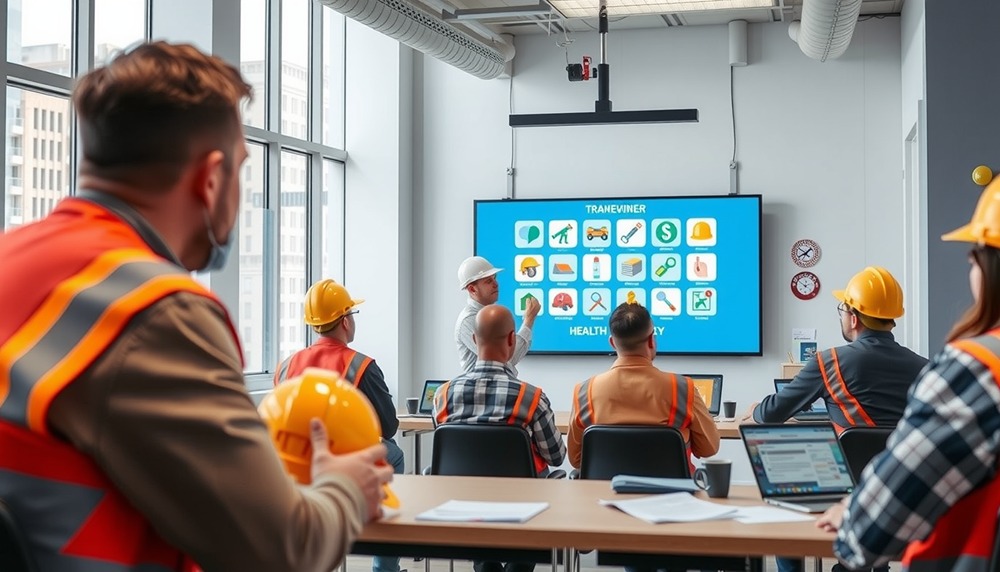
The SMSTS curriculum is rigorous, and for good reason. It is designed to ensure that those in charge of construction sites have a deep, practical understanding of their legal and moral responsibilities. Whether you take the course over five consecutive days or via a series of weekends, the content remains identical. The CITB-accredited syllabus covers a wide range of essential topics that reflect the complexities of modern site management.
During the sessions, you will dive into the nuances of the Health and Safety at Work Act, but more importantly, you will learn how to apply these regulations in real-world scenarios. You will explore the Construction (Design and Management) Regulations, commonly known as CDM, and understand how they influence every stage of a build. The course is designed to be interactive, often involving group exercises that simulate the challenges you face on-site every day.
Core modules covered in the training
- Risk assessment and the implementation of method statements.
- Health and safety management systems and auditing.
- Procedures for managing excavations, scaffolding, and work at height.
- Demolition and confined space safety protocols.
- Effective communication of safety standards to a diverse workforce.
- Legislative updates and changes in industry best practices.
The financial and practical logic of weekend study
For many self-employed contractors or those working for smaller firms, taking five days off work isn’t just about the cost of the course; it is about the five days of lost earnings. In the current economic climate, that is a significant hit to take. By opting for an SMSTS weekend course, you effectively eliminate that loss. You can continue to earn your full day rate during the week and dedicate your Saturdays and Sundays to your professional growth.
From a project management perspective, having a site manager absent for an entire week can lead to delays or require the hiring of expensive temporary cover. By spreading the learning over a few weekends, the continuity of the site is maintained. You can apply what you learn on a Saturday immediately on Monday morning, creating a feedback loop between the classroom and the construction site that reinforces the training.
Why the weekend format might suit your learning style
- Better retention: Spreading the information over several weekends allows for more time to process complex legal requirements between sessions.
- Less workplace stress: You won’t be constantly checking your phone for site emergencies during your lessons because the site is likely closed or on a skeleton crew.
- Networking: Weekend courses often attract highly motivated individuals who are dedicated to their career progression, providing excellent networking opportunities.
- Flexibility: Many providers now offer these courses via remote learning, meaning you can attend from home without the need for additional travel or accommodation costs.
Transitioning from the tools to management
If you are currently working on the tools and looking to move into a management role, the SMSTS is your passport to that transition. Most major contractors in the UK require site managers to hold a valid SMSTS certificate as part of their health and safety policy. It demonstrates that you are not just competent at your trade, but that you have the organisational skills and legal knowledge to oversee the safety of an entire workforce.
The transition can be daunting, but the structured nature of the training helps build confidence. You will learn how to conduct site inductions, how to spot potential hazards before they become incidents, and how to lead by example. When you show up to a job interview with an SMSTS certificate earned in your own time, it speaks volumes about your work ethic and your commitment to the industry.
Remote learning vs. the traditional classroom
In recent years, the way an SMSTS weekend course is delivered has evolved significantly. While some still prefer the traditional face-to-face environment of a training centre, many now opt for virtual classrooms. These are not just pre-recorded videos; they are live, tutor-led sessions conducted over platforms like Zoom or Microsoft Teams. This format has made the weekend option even more accessible, as it removes the need to commute to a physical location early on a Saturday morning.
The virtual format still requires full attendance and participation. You will still engage in group discussions, complete the required assessments, and take the final exam under invigilated conditions. For many, the comfort of their own home office provides a better environment for concentrating on the technical details of the course material.
Preparing for the assessment
The course concludes with an exam and a series of core exercises that assess your ability to manage safety on a site. It is not something you can breeze through without effort, but the weekend format provides a unique advantage for preparation. You have the evenings during the week to review your notes and read through the GE700 publication, which is the primary textbook for the course.
To succeed, it is important to focus on the “how” and the “why” of safety regulations rather than just memorising facts. The examiners are looking for evidence that you can make sound decisions under pressure and that you prioritise the wellbeing of everyone on-site. Engaging fully with the group projects and asking plenty of questions during the weekend sessions will ensure you are well-prepared for the final assessment.

Tips for getting the most out of your training
- Clear your schedule: Treat your course days like a regular work day; ensure you have a quiet space and no distractions.
- Review the GE700: Familiarise yourself with the layout of the CITB manuals early on so you can find information quickly during open-book sections.
- Participate: The more you contribute to discussions, the more the information will stick.
- Stay organised: Keep your notes tidy and highlight key sections of the legislation that are frequently referenced.
Ultimately, the goal of any safety training is to ensure that everyone goes home safely at the end of the day. The SMSTS qualification is a vital part of that mission in the UK. By choosing a schedule that fits your life, you are not just ticking a box for compliance; you are investing in your future and the safety of your team. The flexibility of the modern training landscape means that there is no longer a reason to delay your professional development. Taking that first step to book your training is often the hardest part, but once you are in the room—virtual or otherwise—you will see the immediate value in the knowledge being shared.

Emily Carter is a travel journalist passionate about covering industry news, traveler trends, and hospitality services. Her work centers on exploring how the travel sector adapts to changing demands while providing readers with practical insights for seamless journeys.