
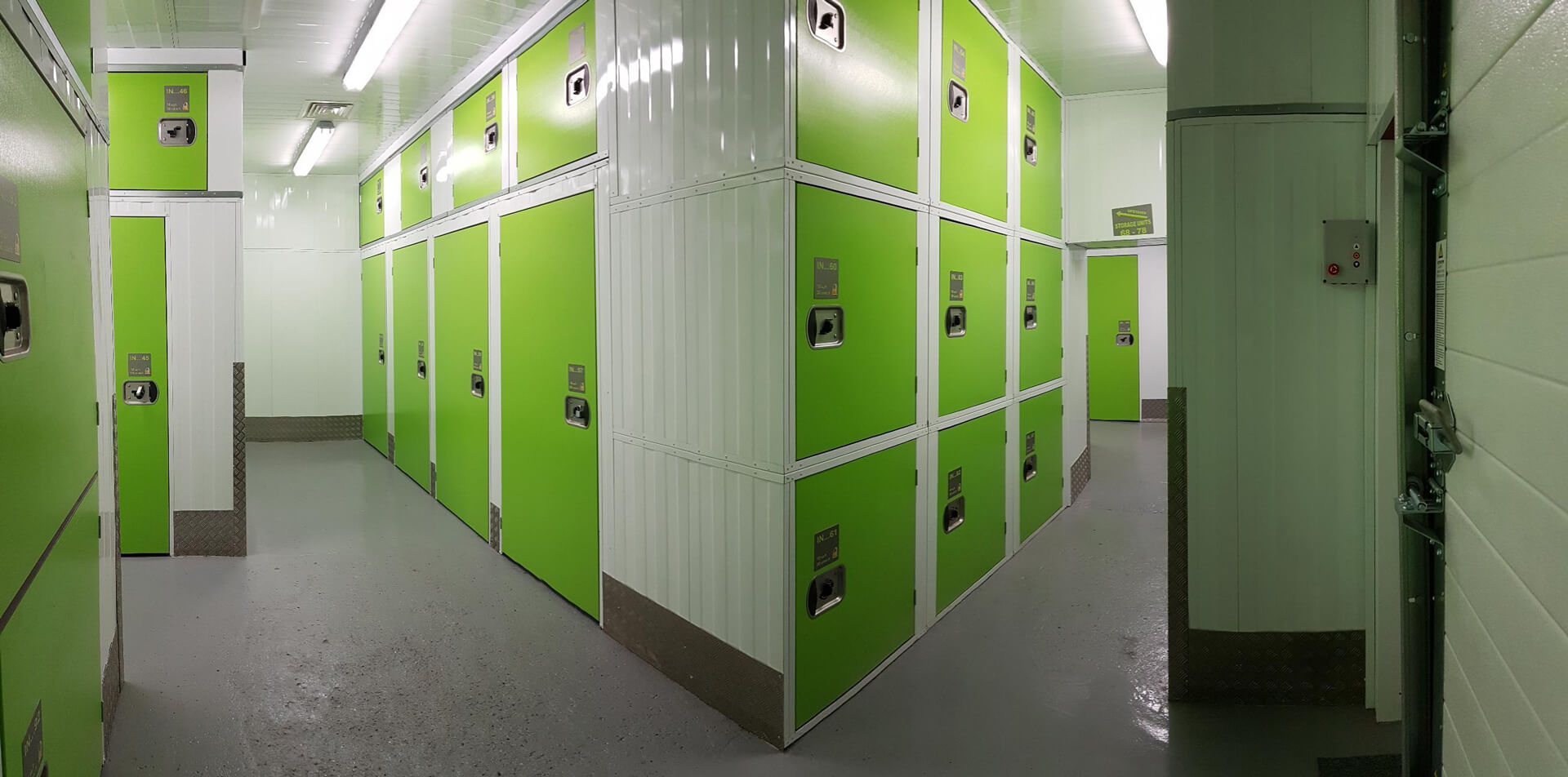
Why finding extra space in Glasgow is a common challenge
Living in Glasgow often means embracing the unique character of its architecture, from the high ceilings of traditional red sandstone tenements in the West End to the sleek, modern developments appearing along the Clyde. However, one thing many of these homes have in common is a distinct lack of modern storage space. Whether you are a student at one of the city’s universities needing to stash your belongings over the summer, or a family in Shawlands trying to declutter before a big move, the need for extra room is something almost every Glaswegian faces at some point.
The rise in popularity of storage units Glasgow wide is not just about having too many things; it is about lifestyle flexibility. People are moving more often, renovating older properties, or simply wanting to reclaim their spare room from years of accumulated boxes. The city is bustling and space is at a premium, which is why a secure, external unit can feel like a genuine extension of your own home. It provides a breathing space where you can organise your life without the pressure of living amongst piles of bubble wrap and cardboard boxes.
The practical reasons for seeking out storage
There are several life events that usually trigger the search for a storage facility. Understanding your specific needs helps in choosing the right type of unit and the right level of access. For many, it is a temporary solution during a transition, while for others, it becomes a long-term strategy for managing their possessions. Here are some of the most common reasons people start looking for storage units Glasgow has to offer:
- Moving House: The property market in Glasgow can move fast. Sometimes there is a gap between selling your old place and getting the keys to the new one. Storage keeps your furniture safe during that awkward interim period.
- Home Renovations: If you are finally getting that kitchen extension or sanding down the floorboards in your lounge, you do not want your furniture covered in dust and debris. Moving items into storage protects them from damage during the building works.
- Decluttering for Sale: Real estate agents often suggest decluttering to make your home look more spacious for potential buyers. Stashing non-essential items away can actually help you achieve a better sale price.
- Student Summer Breaks: With thousands of students attending the University of Glasgow, Strathclyde, and GCU, many need a place to keep their things while they head home for the summer holidays rather than hauling everything across the country.
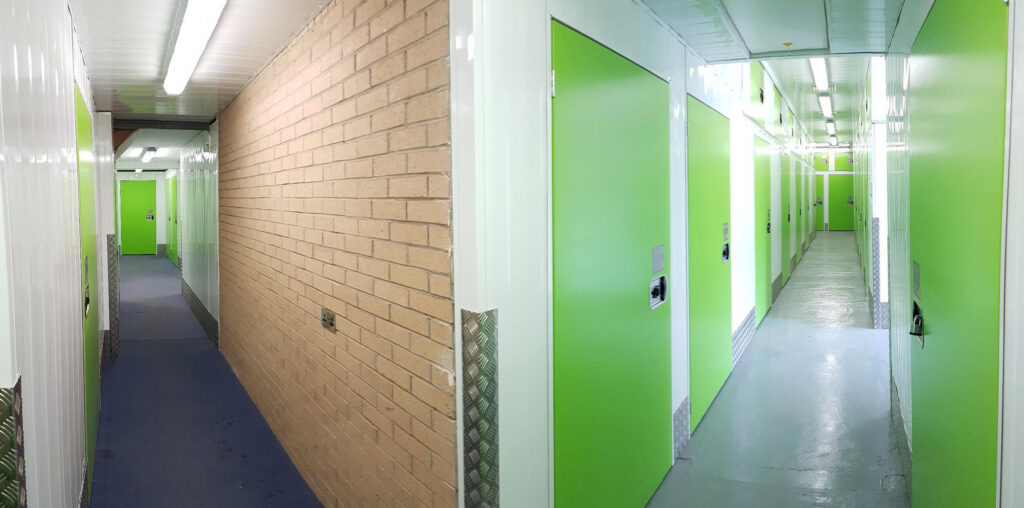
What to look for in a Glasgow storage facility
Not all storage facilities are created equal, and when you are trusting someone with your valuable or sentimental items, you need to be certain they are in good hands. Security is usually the top priority. You should look for a site that offers comprehensive CCTV coverage, gated access, and individual alarms on units. Beyond security, the physical condition of the unit is vital. It must be clean, dry, and well-ventilated to prevent any issues with damp or mould, which can be a concern in the Scottish climate.
Accessibility is another major factor. If you are a business owner who needs to grab stock at 7:00 AM, or a homeowner who suddenly remembers they left an important document in a stored box, you need a facility that offers flexible opening hours. Some sites offer 24-hour access, which can be incredibly useful for those with busy schedules. Additionally, consider the location. While you might find a cheaper unit further out of town, the cost of petrol and the time spent driving to a remote industrial estate can quickly outweigh the initial savings.
Choosing the right unit size for your needs
One of the most common mistakes people make is overestimating or underestimating how much space they actually need. Paying for a massive unit that is half-empty is a waste of money, but cramming everything into a tiny space can lead to damaged items and a lot of frustration when you need to find something. Most facilities provide a size guide, but here is a rough rule of thumb to help you visualise the space:
- Small Units (approx. 25 sq ft): Roughly the size of a large cupboard. Perfect for seasonal items, sports gear, or about 30 to 40 medium boxes.
- Medium Units (approx. 50-75 sq ft): About the size of a small transit van. This can typically hold the contents of a one-bedroom flat, including some larger furniture like a sofa and a bed.
- Large Units (approx. 100-150 sq ft): Similar to a single garage. This is usually sufficient for a two to three-bedroom house, accommodating wardrobes, dining tables, and multiple appliances.
How to pack your unit for maximum efficiency
Once you have selected your unit, the way you pack it will determine how easy your life is later on. It is not just about fitting everything in; it is about being able to get things back out again. Start by creating a walkway down the middle of the unit so you can access items at the back without having to move everything at the front. This simple step saves hours of labour in the long run.
Heavy items like washing machines and heavy boxes should always go at the bottom to create a stable base, with lighter, more fragile items on top. It is also a good idea to use uniform-sized boxes where possible, as they stack much more securely than a collection of random containers. Label every box clearly on multiple sides so you can see what is inside regardless of how it is stacked. If you are storing furniture, try to take it apart if possible; bed frames and tables take up significantly less room when dismantled. Use protective covers for mattresses and sofas to keep them pristine while they are in the unit.
The benefits for Glasgow businesses
It is not just residential customers who benefit from these facilities. Many small and medium-sized businesses in Glasgow use storage units as a cost-effective alternative to traditional warehouse space. For an e-commerce business, a storage unit provides a flexible way to manage stock levels without being tied into a long-term commercial lease. It allows a business to scale up or down as needed, which is particularly useful during peak seasons like Christmas.
Tradespeople also find great value in local storage. Instead of keeping expensive tools and materials in a van overnight—which can be a security risk—they can use a secure unit as a central hub. This keeps the van organised and ensures that valuable equipment is behind multiple layers of security. Furthermore, for offices that are moving toward a more paperless or hybrid model, storage units provide a perfect place to archive old files and documents that must be kept for legal reasons but are not needed on a daily basis.
Understanding the costs and contracts
When you start looking at the price of storage, it is important to look beyond the headline monthly rate. Check if there are any hidden costs, such as mandatory insurance or the requirement to buy a specific type of padlock from the facility. Most reputable providers will be transparent about their pricing and offer flexible contracts. You should not feel pressured into a long-term commitment if you only need the space for a few weeks.
Ask about the notice period required to vacate the unit. A shorter notice period gives you more freedom if your moving dates change unexpectedly. Also, inquire about any discounts for long-term storage or introductory offers for new customers. Many Glasgow facilities offer the first month at a reduced rate, which can be a significant help when you are already dealing with the high costs of moving house or renovating. Taking the time to compare these details ensures that the storage solution you choose is not only convenient but also fits comfortably within your budget.

Emily Carter is a travel journalist passionate about covering industry news, traveler trends, and hospitality services. Her work centers on exploring how the travel sector adapts to changing demands while providing readers with practical insights for seamless journeys.